Greater Wellington has filed charges against Tiaki Wai and Wellington City Council following its investigation into alleged unlawful wastewater discharges from the Moa Point Wastewater Treatment Plant. The charges relate to…

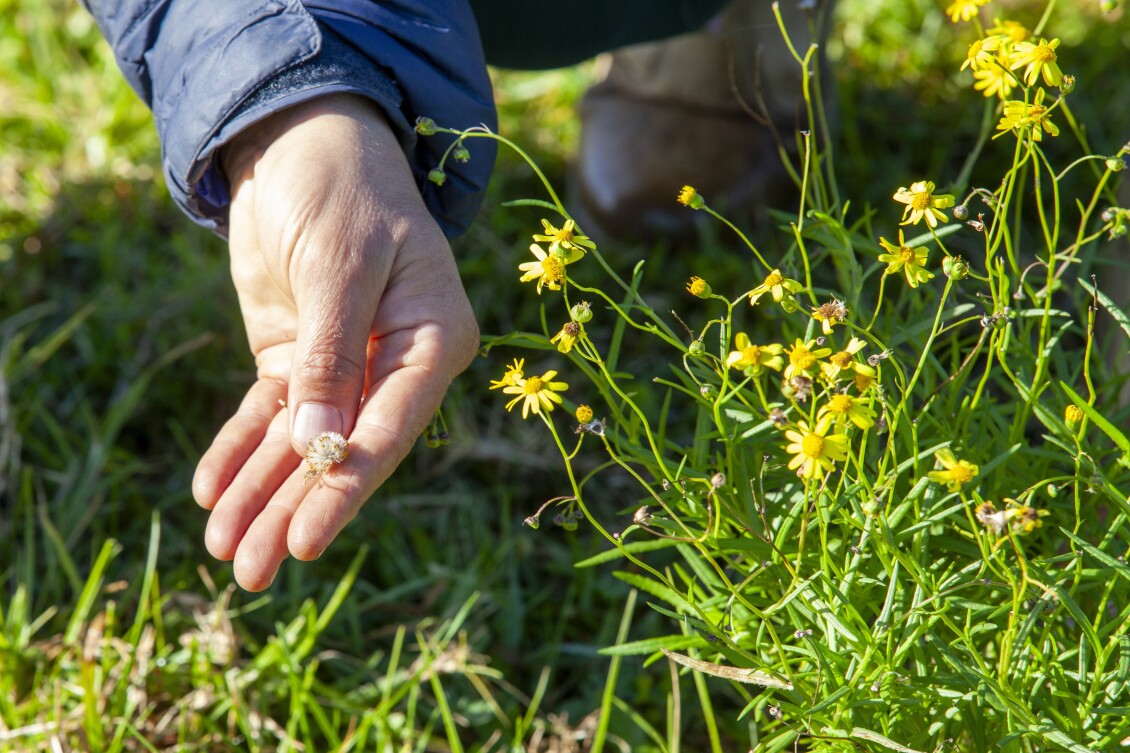
Madagascar ragwort, an invasive and highly toxic pasture weed, has been identified in south Wairarapa near Ngawi, prompting Greater Wellington to urge farmers, landowners and rural communities across Wairarapa and the region to keep an eye out for the poisonous plant.
Cattle and horses are particularly vulnerable to the yellow-flowered daisy weed, which can rapidly invade pastures and cause serious illness and death in livestock.
Greater Wellington Environment and Climate Committee Chair Quentin Duthie says the discovery poses a risk to pastoral farming.
"Madagascar ragwort is a serious biosecurity threat with the potential to impact farms, animals and rural livelihoods across our region,” Cr Duthie says.
“Unlike common ragwort which is widespread, Madagascar ragwort is confined to an isolated area, giving us the opportunity to act before it becomes rife.”
Previously thought to be confined to Northland, early detection is critical to preventing Madagascar ragwort from spreading and establishing in the Wellington region.
Barbie Barton, Wairarapa landowner and Chair of Greater Wellington’s Farming Reference Group, says community vigilance is vital.
“We're asking farmers, contractors, rural workers and coastal landowners to familiarise themselves with what this plant looks like and to report any suspected sightings,” Barton says.
“The eyes and ears of our rural communities are one of the most effective biosecurity tools we have.
Greater Wellington can collect samples for testing and provide advice to landowners on controlling this dangerous weed.”
Madagascar ragwort produces bright yellow daisy-like flowers about 1 to 2 centimetres in diameter and can germinate throughout the year. A single mature plant can produce more than 10,000 seeds that are dispersed by wind, allowing infestations to establish and spread rapidly if left unmanaged.
Greater Wellington Pest Plants Team Leader Mark McAlpine says the discovery in the lower North Island reinforces warnings from researchers that much of New Zealand's climate is suitable for the weed.
"Experience in Northland and overseas shows this plant can be extremely difficult and expensive to control once it becomes established. It reduces the amount of productive pasture available, stock avoid grazing around it, and it remains toxic even when incorporated into hay or silage,” McAlpine says.
"At this stage our priority is understanding whether there are other sites in the Wellington region and supporting landowners with identification and management advice. Finding it early gives us the best chance of limiting its spread."
Research commissioned by Northland Regional Council has identified Madagascar ragwort as a growing threat to New Zealand's pastoral sector, with evidence of production losses on affected farms and concerns about its potential spread through wind, contaminated fodder, machinery, vehicles and livestock movements.
Greater Wellington is encouraging anyone who thinks they have found Madagascar ragwort to report it immediately. Reports should include, the location of the plant, the date it was found, photos if possible and contact details.
Suspected sightings can be reported by emailing: Pest.Plants@gw.govt.nz or calling 0800 496 734.
Greater Wellington has filed charges against Tiaki Wai and Wellington City Council following its investigation into alleged unlawful wastewater discharges from the Moa Point Wastewater Treatment Plant. The charges relate to…
Following an independent investigation, Greater Wellington has filed charges in the District Court in Wellington relating to multiple non-compliance events at Moa Point Wastewater Treatment Plant (WWTP). The series of…
A major milestone has been reached in the restoration of Te Awarua o Porirua (Porirua Harbour), with the completion and release of the Te Awarua o Porirua Action Plan. Developed by…